
Preparing Your Landscape for Hurricane Season in Southwest Florida
Hurricane season in Southwest Florida runs from June 1 through November 30, and for homeowners in North Port, Cape Coral, Venice, and surrounding communities, landscape preparation can mean the difference between minor cleanup and catastrophic property damage. At Alpha Omega Outdoor Services, we help homeowners throughout the region fortify their landscapes against powerful storms. This comprehensive guide covers everything you need to know about hurricane-proofing your yard.
Tree Trimming and Canopy Management
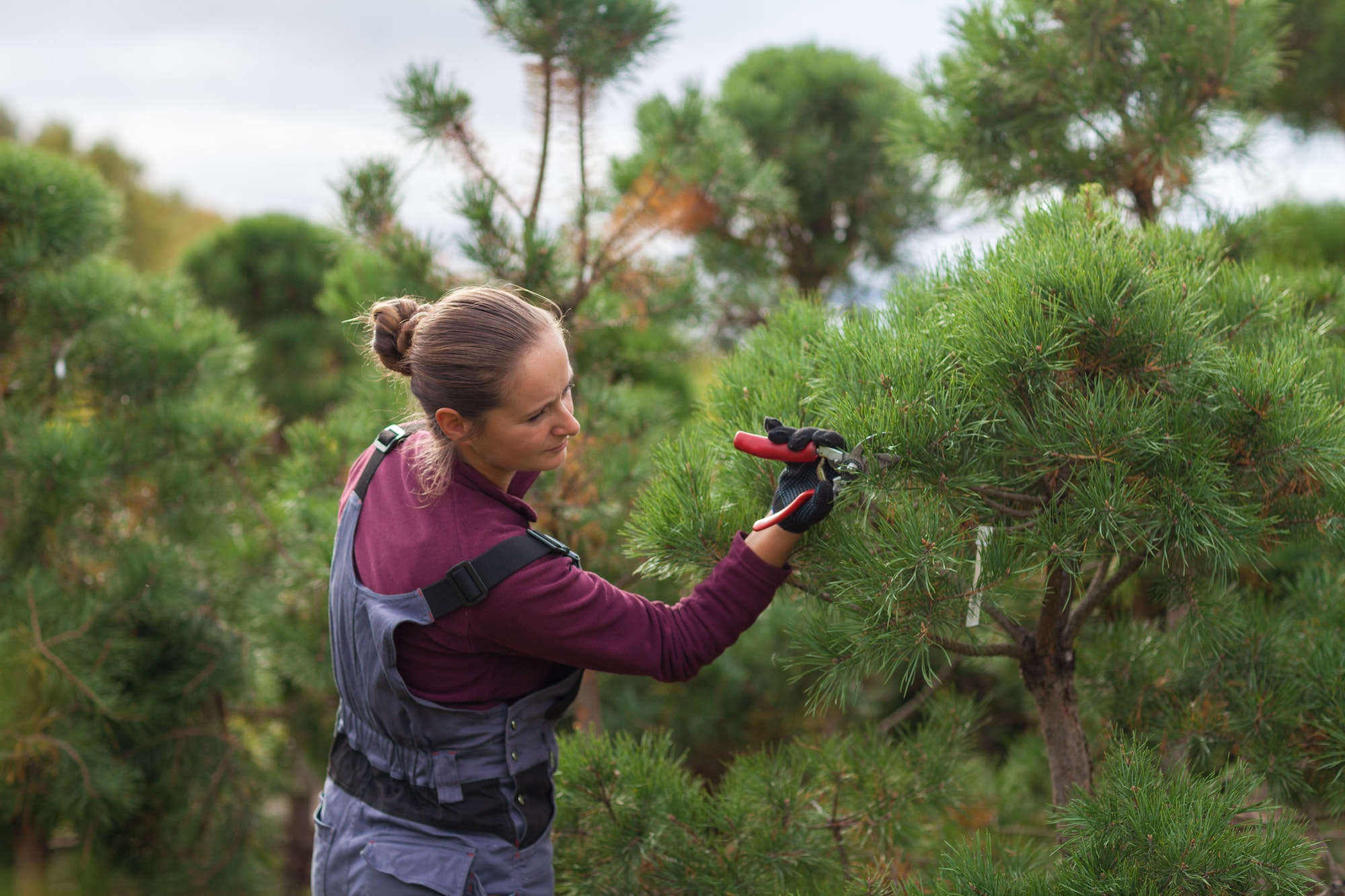
Trees are the single greatest landscape threat during hurricanes. Overgrown canopies catch wind like sails, and weak or dead branches become dangerous projectiles. Professional tree trimming before storm season is your most important defensive measure.
Here is what proper pre-hurricane tree care looks like:
- Crown thinning: Removing 15 to 20 percent of interior branches allows wind to pass through the canopy rather than pushing against it. This dramatically reduces the chance of uprooting.
- Deadwood removal: Dead, dying, or diseased branches should be removed entirely. These are the first to break off in high winds.
- Elevation pruning: Raising the lower canopy by removing branches below eight to ten feet reduces wind resistance and prevents branches from striking structures.
- Structural assessment: A certified arborist can identify trees with co-dominant stems, included bark, or root damage that make them high-risk for failure.
Palm trees generally fare well in hurricanes due to their flexible trunks, but heavy seed pods and dead fronds should still be removed. Never over-prune palms by removing green fronds, as this weakens the tree and slows recovery.
Choosing Wind-Resistant Plants
Not all landscape plants are created equal when it comes to storm resilience. Florida-native and adapted species have evolved to withstand tropical weather. Consider incorporating these wind-resistant options into your landscape:
- Trees: Live oak, bald cypress, sabal palm (cabbage palm), gumbo limbo, and southern magnolia are all proven hurricane survivors.
- Shrubs: Simpson’s stopper, firebush, cocoplum, and green buttonwood bend without breaking in high winds.
- Groundcovers: Beach sunflower, blue daze, and mimosa stay low and are rarely affected by wind.
Avoid species known for brittleness during storms, including queen palm, Norfolk Island pine, Australian pine, and laurel oak. If these trees are already on your property, schedule regular structural pruning to minimize risk.
Drainage Preparation and Flood Prevention
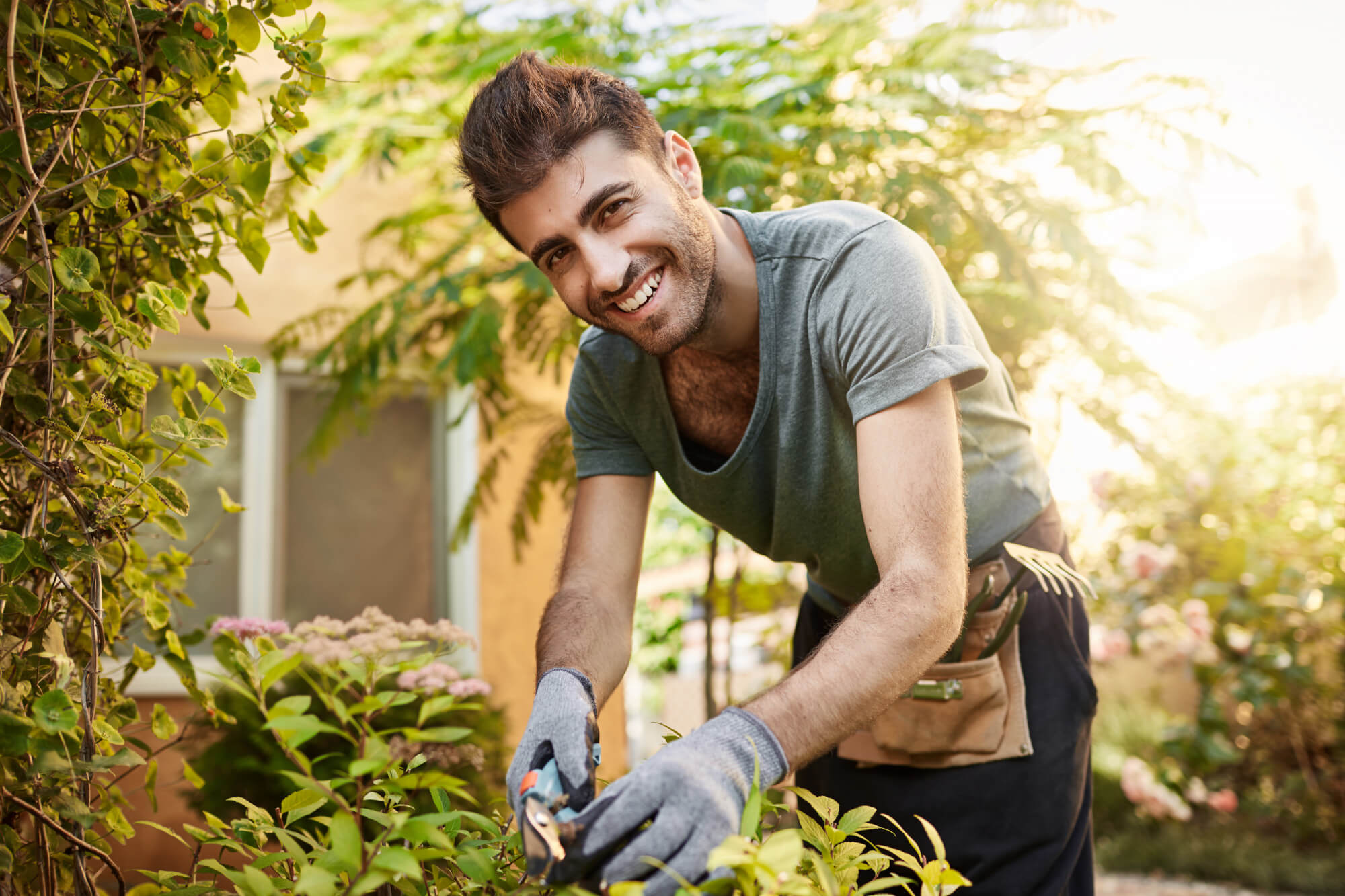
Hurricanes bring enormous amounts of rainfall in short periods. North Port and much of Southwest Florida sit on relatively flat terrain with high water tables, making drainage a critical concern. Effective drainage solutions protect your landscape, foundation, and hardscape features from flood damage.
Pre-season drainage steps include:
- Clean gutters and downspouts: Remove debris so water flows freely away from your foundation. Consider installing gutter guards for ongoing protection.
- Inspect French drains: If you have existing French drains, flush them with a hose to ensure they are clear of sediment and root intrusion.
- Grade check: Walk your property after a heavy rain and note where water pools. Regrading low spots directs water toward swales or storm drains.
- Dry well maintenance: If your property uses dry wells or catch basins, verify they are not clogged with silt or debris.
- Swale clearing: North Port requires functional swales along roadways. Keep yours clear of grass clippings, leaves, and soil buildup.
Securing Outdoor Items and Debris Management
Loose objects in your yard become missiles during hurricane-force winds. A systematic approach to securing your outdoor space is essential:
- Outdoor furniture: Bring lightweight furniture, cushions, and decorative items indoors or into a garage. If furniture is too heavy to move, lay it flat on the ground in a sheltered area.
- Potted plants: Move container plants into the garage or group them together in a sheltered corner, away from windows.
- Garden tools and equipment: Store all tools, hoses, lawn equipment, and yard art inside a locked shed or garage.
- Gravel and loose mulch: Lightweight decorative gravel and rubber mulch can become projectiles. Consider switching to heavier river rock in windswept areas or applying a thick layer of shredded hardwood mulch that mats together when wet.
- Landscape lighting: Remove any portable solar lights or stake-mounted fixtures that could become airborne.
Creating a Storm Preparation Timeline
Smart homeowners in North Port and Southwest Florida follow a seasonal timeline rather than scrambling when a storm is approaching:
May (pre-season):
- Schedule professional tree trimming and hazard assessment
- Inspect and repair drainage systems
- Review your landscape for weak or unhealthy plants and remove them
June through August (early season):
- Keep trees and shrubs moderately pruned throughout summer
- Maintain clear gutters and downspouts after summer storms
- Ensure your irrigation system has a rain sensor to prevent overwatering that saturates soil and weakens root systems
When a storm is forecast (48 to 72 hours out):
- Secure or store all loose outdoor items
- Turn off irrigation systems
- Photograph your landscape for insurance documentation
- Top off fuel for chainsaws and generators
Post-Storm Cleanup and Recovery
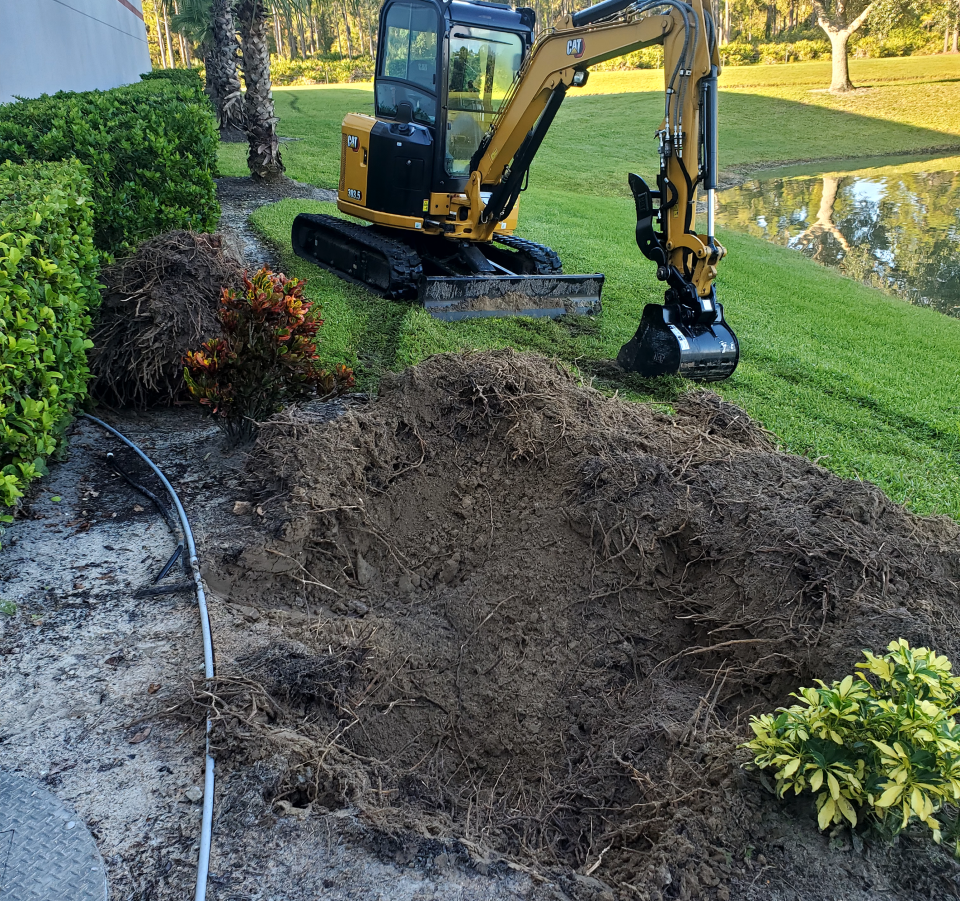
After a hurricane passes, your landscape will need immediate attention. Here is how to approach cleanup safely and effectively:
- Safety first: Stay away from downed power lines, hanging branches, and flooded areas. Do not attempt to remove large fallen trees yourself.
- Document damage: Photograph everything before cleanup begins for insurance claims.
- Prioritize hazards: Address trees leaning on structures, blocking roads, or threatening power lines first. Call a professional tree service for anything beyond small branch removal.
- Assess tree viability: Trees that have lost less than 50 percent of their canopy and have intact root systems can often be saved. Do not rush to remove storm-damaged trees that may recover.
- Soil care: If flooding has deposited silt or debris across your lawn and beds, remove it promptly to prevent smothering grass and plants.
- Replanting: Wait at least two to four weeks after a storm before replanting to allow soil conditions to stabilize.
Invest in Storm-Resilient Landscaping
The best time to hurricane-proof your landscape is well before storm season arrives. A properly maintained landscape with wind-resistant plants, structurally sound trees, and effective drainage systems can withstand tropical storms and even category-level hurricanes with minimal damage.
At Alpha Omega Outdoor Services, we provide comprehensive storm preparation services for homeowners throughout North Port, Venice, Port Charlotte, and all of Southwest Florida. From professional tree trimming and hazard assessments to drainage installation and post-storm cleanup, our experienced team keeps your property protected year-round.
Do not wait until a storm is in the forecast. Call Alpha Omega Outdoor Services at 941-587-0697 today to schedule your pre-hurricane landscape assessment and protect your property this season.
Ready to Get Started on Your Project?
Alpha Omega Outdoor Services provides free consultations for all landscaping, waterscape, and outdoor projects throughout North Port, Venice, Port Charlotte, and Sarasota County, FL. Our licensed team brings 7+ years of local experience to every project.
Call 941-587-0697 or request your free estimate online today.